Blood pressure is one of the most important indicators of your overall health. Yet millions of South Africans are living with high blood pressure (hypertension) without even knowing it. Often called the “silent killer,” hypertension usually has no obvious symptoms until serious complications develop.
According to the Heart and Stroke Foundation South Africa, high blood pressure is one of the leading causes of heart disease, stroke, kidney disease, and premature death in South Africa and all over the world . The good news is that it can often be prevented, detected early, and managed effectively.
This comprehensive guide explains everything South Africans need to know about blood pressure, including causes, symptoms, risk factors, diagnosis, treatment options, lifestyle changes, and frequently asked questions.
What Is Blood Pressure?
Blood pressure is the force exerted by blood against the walls of your arteries as your heart pumps blood around your body.
Every time your heart beats, it pushes oxygen-rich blood through your arteries. The pressure generated during this process is known as blood pressure.
Blood pressure is measured using two numbers:
| Reading | Meaning |
|---|---|
| Systolic Pressure | Pressure when the heart contracts and pumps blood |
| Diastolic Pressure | Pressure when the heart relaxes between beats |
For example:
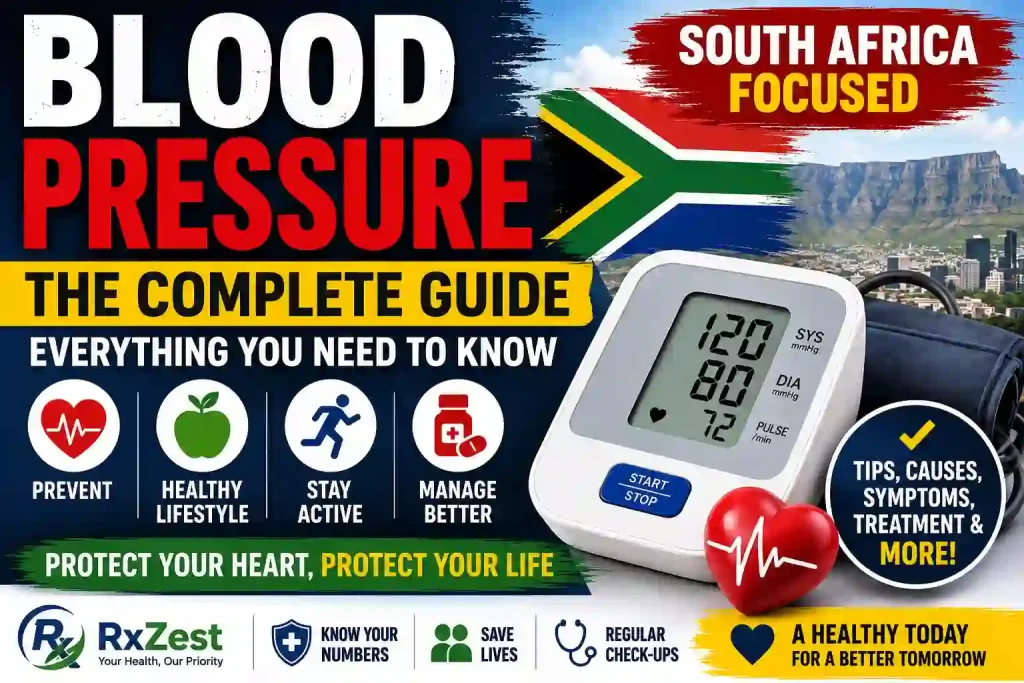
120/80 mmHg
- 120 = Systolic pressure
- 80 = Diastolic pressure
The unit “mmHg” stands for millimetres of mercury.
Why Is Blood Pressure Important?
Your organs depend on a constant supply of oxygen and nutrients carried by your blood.
When blood pressure is too high:
- The heart must work harder
- Blood vessels become damaged
- The risk of heart attack increases
- Stroke risk rises dramatically
- Kidney function may deteriorate
- Eye damage may occur
When blood pressure is too low:
- Organs may not receive enough blood
- Dizziness and fainting can occur
- Severe cases can become life-threatening
Maintaining healthy blood pressure helps protect your heart, brain, kidneys, and blood vessels.
What Is Normal Blood Pressure?
Blood pressure categories can be broadly classified as follows:
| Category | Systolic | Diastolic |
|---|---|---|
| Normal | Less than 120 | Less than 80 |
| Elevated | 120–129 | Less than 80 |
| Stage 1 Hypertension | 130–139 | 80–89 |
| Stage 2 Hypertension | 140 or higher | 90 or higher |
| Hypertensive Crisis | Above 180 | Above 120 |
A single high reading does not necessarily mean you have hypertension. Multiple readings over time are usually required for diagnosis.
What Is Hypertension?
Hypertension is a condition where blood pressure remains consistently higher than normal.
Over time, high blood pressure damages blood vessels and vital organs.
Hypertension develops gradually and may persist for years before being detected.
Many South Africans discover they have hypertension only after experiencing:
- A stroke
- A heart attack
- Kidney problems
- Vision loss
This is why regular blood pressure screening is so important.
Why Is High Blood Pressure Common in South Africa?
South Africa faces a growing burden of hypertension due to several factors:
Urbanisation
Modern lifestyles often involve:
- Less physical activity
- More processed foods
- Increased stress
High Salt Consumption
Many South Africans consume excessive salt through:
- Processed meats
- Fast foods
- Chips and snacks
- Instant meals
Obesity
Obesity rates continue to rise, increasing hypertension risk.
Diabetes
Diabetes and hypertension frequently occur together.
Smoking
Tobacco use damages blood vessels and raises blood pressure.
Alcohol Consumption
Excessive alcohol intake contributes to hypertension.
Limited Health Screening
Many people do not have routine health checks, delaying diagnosis.
Types of Hypertension
Primary (Essential) Hypertension
This is the most common form.
No single cause can be identified.
It usually develops gradually due to:
- Ageing
- Genetics
- Lifestyle factors
- Environmental influences
Secondary Hypertension
This type results from an underlying condition such as:
- Kidney disease
- Thyroid disorders
- Adrenal gland problems
- Sleep apnoea
- Certain medications
Treating the underlying cause may improve blood pressure.
Causes of High Blood Pressure
Several factors can contribute to hypertension.
Excess Salt Intake
Too much sodium causes the body to retain fluid, increasing blood pressure.
Being Overweight
Extra body weight forces the heart to work harder.
Physical Inactivity
Lack of exercise weakens cardiovascular health.
Smoking
Nicotine narrows blood vessels and raises blood pressure.
Alcohol
Heavy drinking can increase blood pressure significantly.
Stress
Chronic stress may contribute to long-term hypertension.
Family History
Hypertension often runs in families.
Age
Risk increases as people get older.
Diabetes
Diabetes damages blood vessels and increases cardiovascular risk.
Kidney Disease
Kidneys play a key role in regulating blood pressure.
Symptoms of High Blood Pressure
One of the biggest dangers of hypertension is that it often causes no symptoms.
Many people feel completely healthy despite having dangerously high blood pressure.
However, very high blood pressure may cause:
- Severe headaches
- Dizziness
- Blurred vision
- Nosebleeds
- Shortness of breath
- Chest pain
- Fatigue
- Irregular heartbeat
If these symptoms occur suddenly, urgent medical attention may be required.
Who Is at Risk?
You may be at increased risk if you:
- Are over 40 years old
- Have a family history of hypertension
- Are overweight or obese
- Have diabetes
- Smoke
- Drink excessive alcohol
- Eat a high-salt diet
- Exercise infrequently
- Experience chronic stress
People of African ancestry often have a higher risk of developing hypertension and its complications.
How Is Blood Pressure Measured?
Healthcare professionals use a device called a sphygmomanometer.
Measurement may be taken:
- At a clinic
- At a pharmacy
- At a workplace screening
- At home using a validated monitor
For accurate readings:
- Rest for 5 minutes beforehand
- Avoid caffeine for 30 minutes
- Avoid smoking before measurement
- Sit with feet flat on the floor
- Support your arm at heart level
Diagnosing Hypertension
Doctors usually confirm hypertension through repeated measurements.
Additional tests may include:
Blood Tests
To check:
- Kidney function
- Blood sugar
- Cholesterol levels
Urine Tests
To assess kidney health.
Electrocardiogram (ECG)
Evaluates heart rhythm and heart damage.
Echocardiogram
May identify heart enlargement caused by hypertension.
Complications of Untreated High Blood Pressure
Without treatment, hypertension can damage nearly every organ.
Heart Attack
Damaged arteries increase the risk of blocked blood flow to the heart.
Stroke
High blood pressure is the leading risk factor for stroke.
Heart Failure
The heart becomes enlarged and weakened over time.
Kidney Failure
Damaged kidney blood vessels reduce kidney function.
Vision Loss
Retinal blood vessels may become damaged.
Dementia
Reduced blood flow to the brain may affect cognitive function.
Peripheral Artery Disease
Reduced circulation can cause leg pain and mobility problems.
How to Lower Blood Pressure Naturally
Lifestyle changes are often the first line of treatment.
Reduce Salt Intake
Aim for less sodium in your daily diet.
Choose:
- Fresh vegetables
- Fresh fruits
- Home-cooked meals
Limit:
- Processed foods
- Fast foods
- Packet soups
- Salty snacks
Maintain a Healthy Weight
Even losing 5–10% of body weight can significantly lower blood pressure.
Exercise Regularly
Aim for at least:
- 150 minutes of moderate exercise weekly
Activities include:
- Walking
- Cycling
- Swimming
- Dancing
- Gardening
Eat a Heart-Healthy Diet
Focus on:
- Fruits
- Vegetables
- Whole grains
- Beans
- Lentils
- Fish
- Lean proteins
Limit:
- Saturated fats
- Added sugars
- Highly processed foods
Stop Smoking
Quitting smoking improves heart health almost immediately.
Benefits continue to increase over time.
Reduce Alcohol Consumption
Excess alcohol can raise blood pressure.
Moderation is essential.
Manage Stress
Helpful strategies include:
- Meditation
- Deep breathing
- Prayer
- Yoga
- Exercise
- Adequate sleep
Blood Pressure Medications
Many people require medication in addition to lifestyle changes.
Common medication classes include:
Diuretics
Help the body remove excess fluid and sodium.
ACE Inhibitors
Relax blood vessels and improve blood flow.
ARBs
Work similarly to ACE inhibitors.
Calcium Channel Blockers
Help blood vessels relax.
Beta-Blockers
Reduce heart workload.
Medication choice depends on:
- Age
- Kidney function
- Medical history
- Other health conditions
Always take medicines exactly as prescribed.
Monitoring Blood Pressure at Home
Home monitoring can help:
- Track treatment effectiveness
- Detect worsening hypertension
- Improve treatment adherence
Tips:
- Measure at the same time daily
- Keep a log of readings
- Bring records to medical appointments
High Blood Pressure During Pregnancy
Some women develop hypertension during pregnancy.
This can lead to:
- Preeclampsia
- Premature birth
- Complications for mother and baby
Pregnant women should attend all antenatal appointments and have regular blood pressure checks.
Blood Pressure in Older Adults
Blood pressure often rises with age due to stiffening arteries.
Older adults should:
- Monitor blood pressure regularly
- Stay physically active
- Take medications consistently
- Attend routine medical reviews
Blood Pressure and Diabetes
Hypertension and diabetes are a dangerous combination.
Together they significantly increase the risk of:
- Heart disease
- Kidney disease
- Stroke
- Vision problems
People with diabetes should monitor blood pressure closely and follow treatment plans carefully.
Common Myths About Blood Pressure
Myth 1: I Feel Fine, So My Blood Pressure Must Be Normal
False.
Most people with hypertension have no symptoms.
Myth 2: Only Older People Get High Blood Pressure
False.
Young adults can also develop hypertension.
Myth 3: Medication Cures Hypertension
False.
Medication controls blood pressure but often does not cure it.
Myth 4: Sea Salt Is Safer Than Table Salt
False.
Both contain sodium and can increase blood pressure.
When Should You Seek Emergency Medical Help?
Seek urgent medical attention if extremely high blood pressure is accompanied by:
- Chest pain
- Severe headache
- Confusion
- Vision changes
- Difficulty speaking
- Weakness on one side of the body
- Shortness of breath
These symptoms may indicate a hypertensive emergency, stroke, or heart attack.
Tips for South Africans to Maintain Healthy Blood Pressure
- Have your blood pressure checked at least once a year.
- Reduce salt consumption.
- Stay physically active.
- Maintain a healthy weight.
- Eat more vegetables and fruit.
- Stop smoking.
- Limit alcohol intake.
- Manage stress effectively.
- Take prescribed medicines consistently.
- Attend regular healthcare appointments.
Frequently Asked Questions
Can hypertension be cured?
Some people can control their blood pressure through lifestyle changes, but many require lifelong management.
What is the ideal blood pressure?
Generally around 120/80 mmHg, although targets may vary depending on individual circumstances.
Can stress cause high blood pressure?
Chronic stress may contribute to elevated blood pressure and unhealthy lifestyle habits.
How often should blood pressure be checked?
Adults should have regular screenings, especially after age 40 or if risk factors are present.
Is hypertension hereditary?
Family history can increase your risk, although lifestyle factors also play a major role.
Final Thoughts
High blood pressure is one of the most common and serious health conditions affecting South Africans today. Because it often develops without symptoms, regular screening is essential. The good news is that hypertension can usually be prevented, controlled, and treated through healthy lifestyle choices, routine monitoring, and appropriate medical care.
Whether you are trying to prevent hypertension or already living with the condition, small daily changes—such as eating less salt, staying active, maintaining a healthy weight, and taking prescribed medication—can dramatically reduce your risk of heart disease, stroke, kidney failure, and other complications.
The most important step is knowing your numbers. A simple blood pressure check today could help protect your health for years to come.